
The struggle of starting from zero
Anyone who has ever tried to launch a new website knows the feeling of shouting into a void. You spend weeks crafting the perfect content, you spend hours on the design, and you ensure every technical detail is optimised to perfection. Yet, for the first six months, Google treats your site like it doesn’t exist. This is often referred to as the ‘sandbox’, a period where search engines wait to see if your site is legitimate before they give you any real visibility. It is a frustrating, time-consuming phase that can kill the momentum of even the most passionate digital entrepreneur.
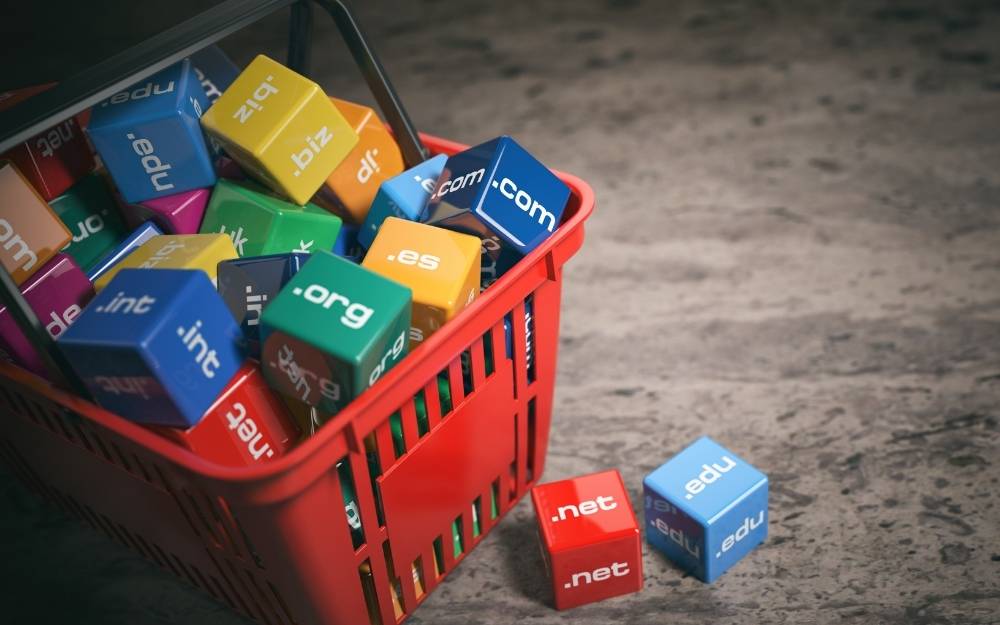
This is exactly why many experienced SEOs and site builders have moved away from registering brand-new domain names. Instead, they head over to an aged domains marketplace to find a foundation that already has some history, authority, and trust built in. It is not about taking shortcuts for the sake of laziness; it is about being smart with your time and resources. When you start with an aged domain, you are essentially buying a head start that would otherwise take you years of manual outreach and content publishing to achieve.

What an aged domains marketplace actually offers
When we talk about an aged domain, we aren’t just talking about a domain name that was registered a long time ago and sat gathering dust. A high-quality domain found on a reputable aged domains marketplace is one that has a history of active use. This means it has an existing backlink profile from authoritative sources, it may have had previous traffic, and search engines have already crawled and indexed its pages in the past.
The value lies in the ‘link equity’ that has been built up over time. If a domain was previously a legitimate business or a popular blog, it likely has links from news outlets, universities, or industry-specific sites. These are the kinds of links that are incredibly difficult and expensive to build from scratch. By using a marketplace, you can browse through a curated list of these assets, categorised by their niche, authority metrics, and the quality of their backlink profiles.
Why the history of a domain matters
Not all old domains are created equal. You might find a domain that is ten years old, but if it has been used for spam or has a history of being part of a low-quality private blog network (PBN), it could actually do more harm than good. This is where a professional marketplace provides value. They do the heavy lifting by vetting the domains before listing them. They check for several critical factors:
- The cleanliness of the Archive.org history to ensure it wasn’t used for anything untoward.
- The quality and relevance of the existing backlink profile.
- Whether the domain has ever been hit with a manual penalty by Google.
- The diversity of the anchor text to ensure it looks natural and not over-optimised.
How to choose the right asset for your project
When you are browsing an aged domains marketplace, it is easy to get distracted by high metrics. You might see a Domain Rating (DR) or Domain Authority (DA) score that looks impressive, but you need to look deeper than just a single number. The key to a successful acquisition is finding a domain that aligns with your intended niche. If you want to start a website about gardening, buying an aged domain that used to be a local bakery’s website might give you some authority, but it won’t have the same topical relevance as a defunct horticulture blog.
Topical authority is becoming increasingly important in the eyes of search engines. If you can find a domain that already has links from other gardening websites, your new content will likely rank much faster because the ‘neighbourhood’ of your links is already relevant to your subject matter. You should also consider the geographic origin of the links. If you are targeting a UK audience, finding a domain with a healthy amount of .uk or .com links from British sources can be a significant advantage.
Red flags to watch out for
While a good marketplace will vet their listings, you should still perform your own due diligence. Even the best curators can miss things, or they might have a different risk tolerance than you do. When you are analysing a potential purchase, keep an eye out for these warning signs:
- A sudden spike in backlinks that looks unnatural or automated.
- Anchor text that is dominated by foreign languages or irrelevant keywords like ‘cheap pharmaceuticals’ or ‘online casinos’.
- A history of the domain being redirected multiple times to different sites.
- A backlink profile that consists entirely of low-quality directory links or comment spam.
The process of revitalising an aged domain
Once you have made your purchase from an aged domains marketplace, the real work begins. You can’t just throw up a few pages and expect to be number one on Google overnight. The best way to utilise an aged domain is to treat it with the respect it deserves. This involves a process of ‘re-theming’ or ‘re-launching’ the site in a way that respects its previous identity while moving it in your new direction.
One of the most effective strategies is to identify the most powerful pages from the domain’s past. By using SEO tools, you can see which specific URLs had the most high-quality backlinks. You should then recreate those pages (or something very similar) and implement 301 redirects to ensure that the link juice is flowing correctly to your new content. This prevents ‘404 errors’ which can lead to a loss of authority over time. You are essentially telling search engines that the valuable content that was once there has simply moved to a new home on the same domain.
Building for the long term
It is important to remember that an aged domain is a foundation, not the entire house. While it gives you a massive advantage in terms of authority, you still need to produce high-quality, original content to maintain and grow that authority. Google’s algorithms are smart enough to realise if a high-authority domain has suddenly been taken over by someone who is just churning out low-quality AI content or thin affiliate reviews. To truly make the most of your investment, you should aim to build a site that is even better than the one that existed on the domain previously.
Many people find that by combining the power of an aged domain with a solid content strategy, they can see results in weeks that would normally take a year. This speed to market is the primary reason why the market for these domains has grown so much recently. It allows you to test niches faster, generate revenue sooner, and scale your portfolio with much less risk of getting stuck in the dreaded sandbox. Whether you are building a site to flip or a long-term passion project, starting with an established asset is often the most logical path forward in the modern SEO landscape.

Chloe is a journalist focused on music genres, artist evolution, and how global platforms have influenced listening habits. She highlights how music connects people across generations.