
Thinking about making the switch to renewable energy
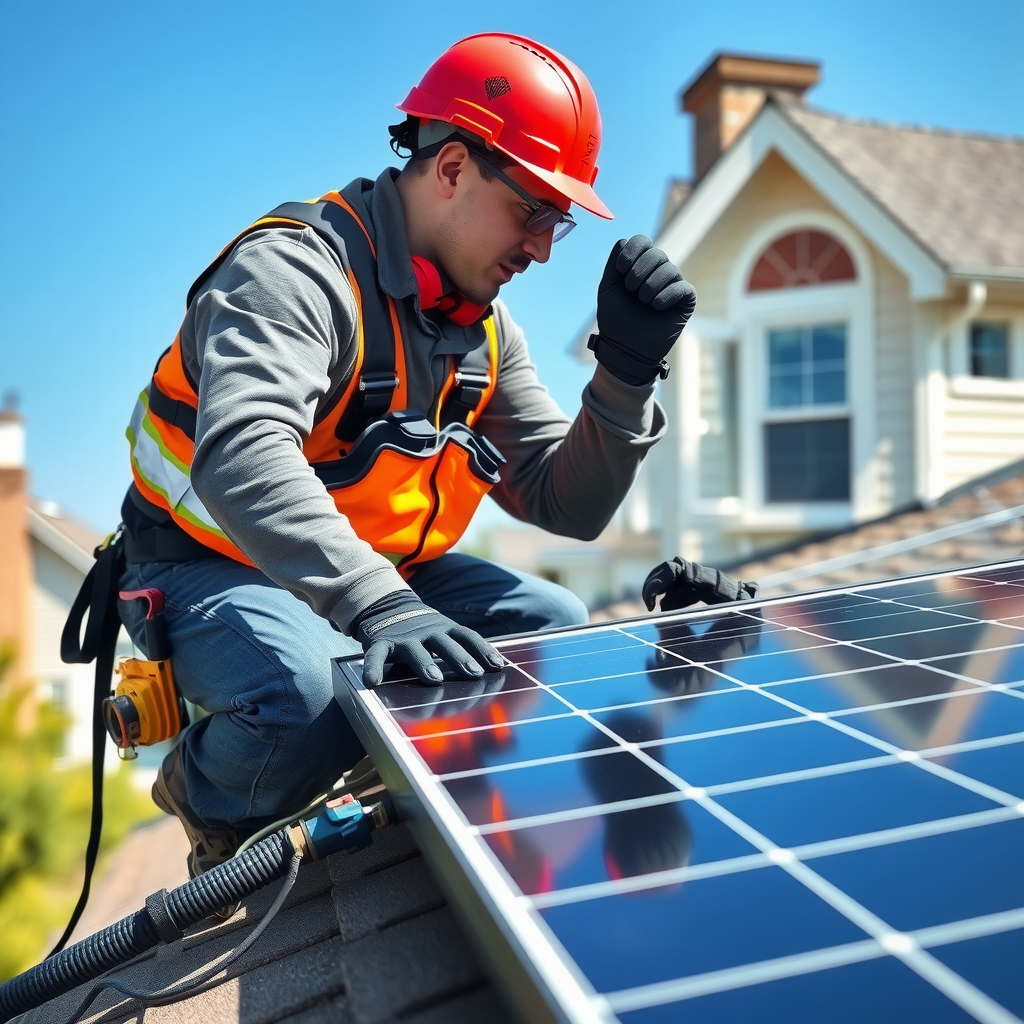
It is no secret that energy prices have been a major talking point across the UK for the last few years. Many of us have spent more time than we would like to admit staring at smart meters or trying to figure out how to shave a few pounds off the monthly bill. This has led to a massive surge in interest regarding how we power our homes, with more people than ever looking up at their roofs and wondering if they could be doing more. A professional Solar installation is no longer a niche hobby for the eco-conscious; it has become a practical, mainstream solution for homeowners who want to take control of their energy destiny.
There is often a misconception that the British weather isn’t quite up to the task. We are, after all, famous for our grey skies and persistent drizzle. However, solar technology has come a long way. Modern photovoltaic (PV) cells do not actually need direct, scorching sunlight to generate electricity; they simply need daylight. Even on a typical overcast afternoon in Glasgow or Manchester, those panels are still hard at work, converting light into power that can run your kettle, your washing machine, or your home office.
What does the process actually look like
When you decide to move forward with a Solar installation, it helps to know that it is not a one-size-fits-all job. Every house is different, and the orientation of your roof, the pitch, and even the surrounding trees will dictate how the system is designed. The journey usually begins with a detailed survey. A technician will look at your roof’s structural integrity and its position relative to the sun. Ideally, a south-facing roof is the gold standard, but east and west-facing roofs are still incredibly effective at capturing energy during different parts of the day.
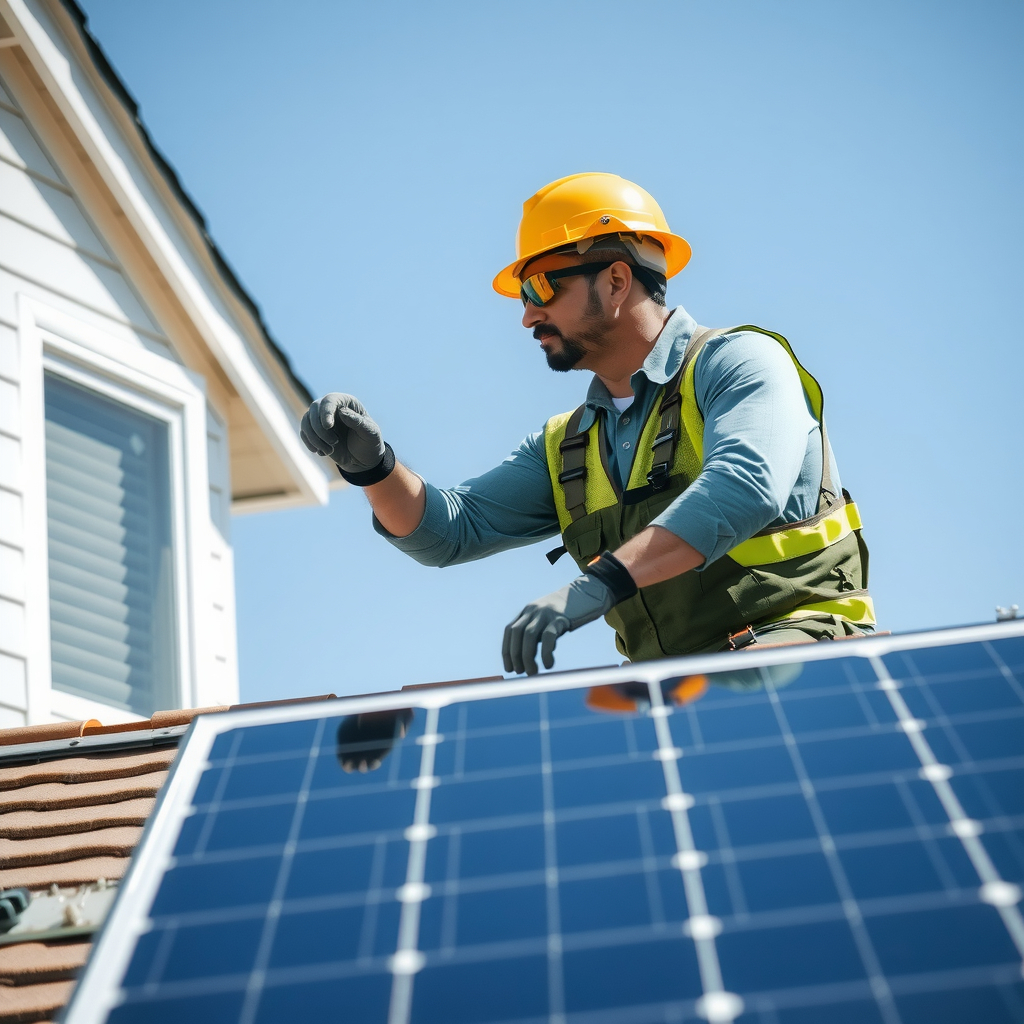
Once the design is finalised, the physical work begins. For most standard residential properties, the actual fitting of the panels takes surprisingly little time—often just one or two days. Here is what you can generally expect during the process:
- Scaffolding setup: Safety is paramount, so the first step is usually erecting scaffolding to allow the team to work securely at height.
- Roof preparation: The installers will attach mounting brackets to your roof rafters. These brackets are designed to be weather-tight, ensuring your roof remains leak-proof.
- Frame installation: A metal rail system is fixed to the brackets, creating the skeleton that will hold the solar panels in place.
- Panel mounting: The PV panels are lifted onto the roof and securely bolted to the frame.
- Electrical wiring: This is where the magic happens. The panels are wired together and connected to an inverter, which is usually tucked away in the loft or a utility room.
The role of the inverter and the grid
The inverter is arguably the most important part of your Solar installation. The panels produce Direct Current (DC) electricity, but your home appliances run on Alternating Current (AC). The inverter acts as the brain of the system, converting that energy so you can actually use it. It also manages the flow of electricity, prioritising your home’s needs before sending any excess back to the National Grid or into a battery storage system if you have one.
In the UK, we also have the Smart Export Guarantee (SEG). This is a government-backed initiative that requires energy suppliers to pay you for any excess renewable electricity you generate and export back to the grid. While it won’t make you a millionaire overnight, it is a fantastic way to offset your initial investment and ensure that no energy goes to waste.
Why more homeowners are choosing to go solar now
The motivation for a Solar installation is usually a mix of financial savvy and environmental responsibility. From a financial perspective, the return on investment has become much more attractive as the cost of the technology has dropped while the cost of traditional energy has risen. By generating your own power, you are effectively locking in a lower energy rate for the next 25 to 30 years—the typical lifespan of a high-quality solar panel.
Beyond the bank balance, there is the undeniable benefit to the planet. Every kilowatt-hour of electricity you produce at home is a kilowatt-hour that doesn’t need to be generated by burning fossil fuels. This significantly reduces your household’s carbon footprint. It is a tangible way to contribute to the UK’s net-zero goals without having to completely change your lifestyle.
Some of the key benefits include:
- Significant bill reduction: You can save hundreds of pounds annually on your electricity costs.
- Protection against price hikes: You are less vulnerable to the volatile global energy market.
- Increased property value: Homes with high energy efficiency ratings are often more attractive to modern buyers.
- Low maintenance: Solar panels have no moving parts, meaning they require very little upkeep once they are installed.
Making the most of your new system
Once your Solar installation is complete, you might find yourself becoming a bit of an energy enthusiast. Most modern systems come with a mobile app that allows you to track your generation in real-time. You can see exactly how much power you are producing and how much you are consuming. This often leads to a shift in habits; for example, you might start running your dishwasher or tumble dryer during the middle of the day when the sun is at its peak to take full advantage of the ‘free’ energy.
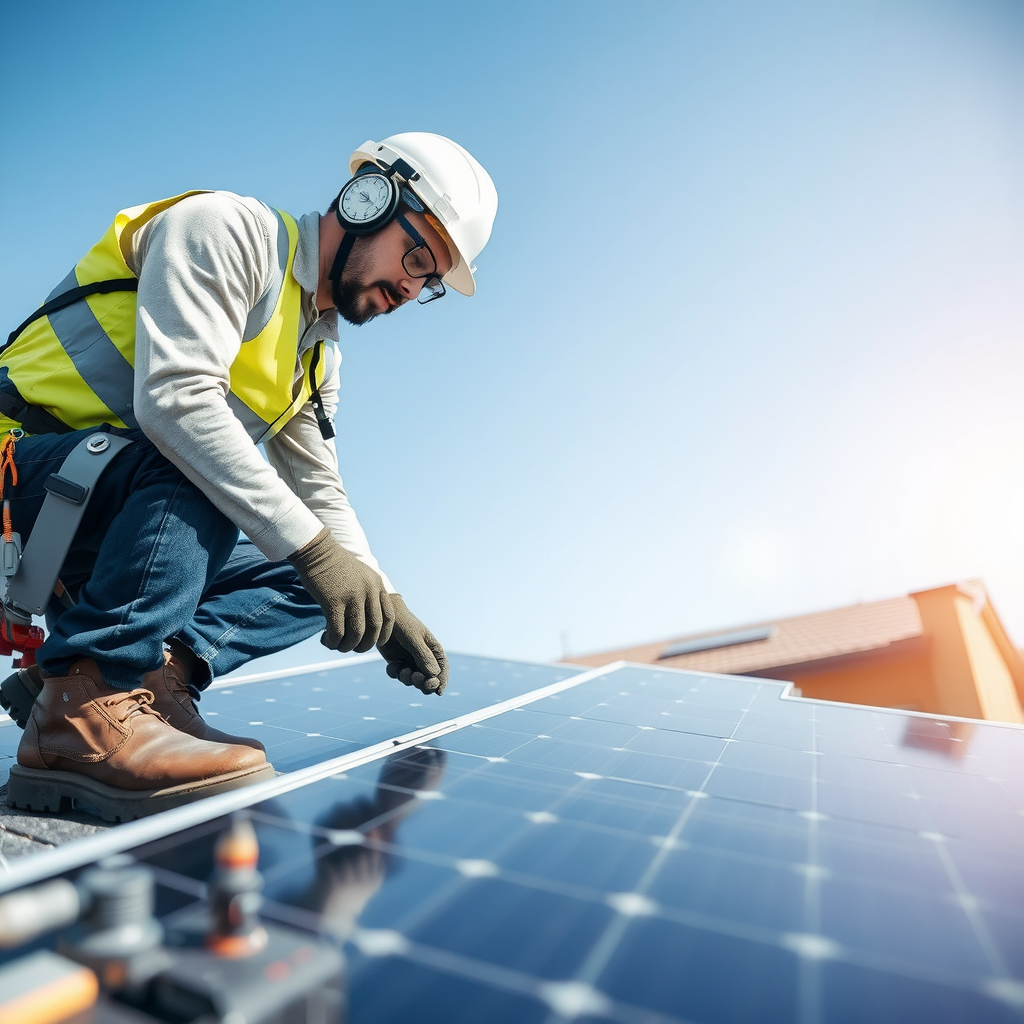
To keep everything running at peak efficiency, it is worth doing a quick visual check of your panels once or twice a year. In the UK, our frequent rain usually does a good job of keeping the panels clean, but if you live near a busy road or in an area with lots of birds, a professional clean every few years can ensure that dirt isn’t blocking the light. You should also keep an eye on any nearby trees that might have grown tall enough to cast shadows over the panels, as even a small amount of shade can significantly reduce the output of the entire string.
The addition of battery storage
A common question people ask after their Solar installation is whether they should add a battery. In the past, batteries were prohibitively expensive, but they are becoming much more common now. A battery allows you to store the energy you generate during the day and use it in the evening when the sun has gone down but your energy usage is at its highest. This can push your self-sufficiency levels from around 30-40% up to 70% or even 80%. It is the final piece of the puzzle for those looking to become as independent from the grid as possible.
When choosing an installer, it is vital to look for accreditation. In the UK, the Microgeneration Certification Scheme (MCS) is the standard to look for. Using an MCS-certified installer ensures that the equipment used and the quality of the work meet high industry standards, and it is usually a requirement if you want to sign up for the Smart Export Guarantee. Taking the time to find a reputable local expert who understands the specific challenges of your area will ensure that your transition to solar is smooth, safe, and ultimately, a very wise investment for your home’s future.

Chloe is a journalist focused on music genres, artist evolution, and how global platforms have influenced listening habits. She highlights how music connects people across generations.